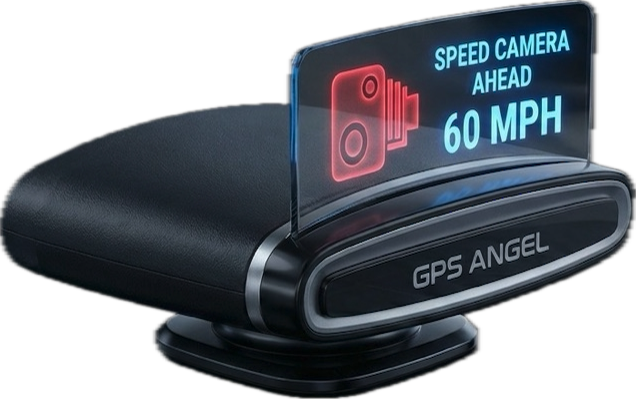
Learn how they work and how the GPS Angel V4 helps you stay aware of them to prevent accidental violations.
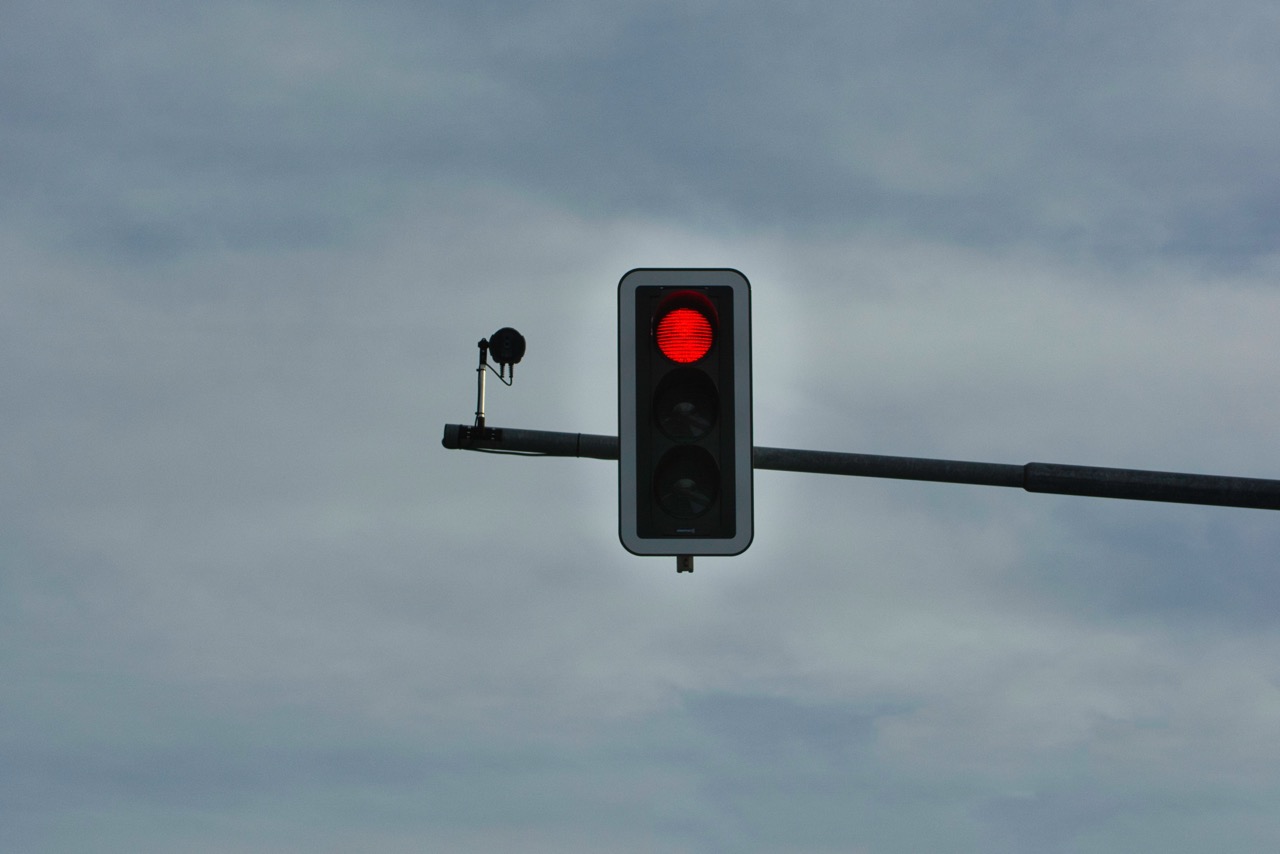
If it feels like there are more cameras watching you drive than ever before, you aren't imagining things. Across the country, municipalities are aggressively installing red-light camera systems at major intersections. While cities claim these measures are strictly for safety to reduce T-bone collisions, many drivers view them as automated revenue generators designed to catch you in a "gotcha" moment. Regardless of the motive, the reality is the same: a split-second mistake can now cost you hundreds of dollars.
Red-light cameras are more than just simple video recorders. They are sophisticated systems connected to traffic signals and sensors. Most systems use inductive loop sensors buried in the pavement or radar units mounted on poles.
When the traffic signal turns red, the system activates. If your vehicle crosses the stop line a fraction of a second after the signal changes, the sensors trigger the camera. It typically takes two photos and a video clip: one showing your vehicle entering the intersection against the light, and one showing it proceeding through to prove the violation.
The most common ticket issued by these systems isn't for blowing through an intersection at high speed; it is for failing to come to a complete, dead stop before turning right on red.
The primary argument for these cameras is that they reduce dangerous right-angle (T-bone) collisions. However, studies have consistently shown that they can lead to an increase in rear-end collisions. This phenomenon is caused by "panic braking."
When a driver spots a camera at the last second, their instinct is to slam on the brakes to avoid a ticket. This often causes the car behind them—which wasn't expecting a sudden stop on a yellow light—to crash into them. While these accidents are generally less fatal than T-bones, they create a new hazard in the name of safety.
You cannot always see a camera until it is too late, especially at night or in unfamiliar areas. This is where the GPS Angel V4 changes the game. By using a GPS database of verified camera locations, the device acts as a proactive lookout.
Instead of spotting the camera visually, your GPS Angel device alerts you audibly before you reach the intersection. This advanced warning allows you to:
Red-light cameras aren't going away—in fact, their use is expanding in many regions. The best way to protect your wallet and your driving record is to stay informed. With a GPS alert system, you can navigate these automated intersections with confidence, knowing you won't be the next victim of an automated ticket.