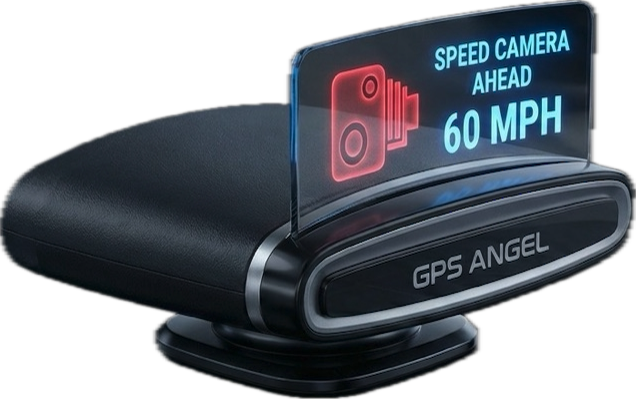
We break down why GPS-based data is the modern, legal, and reliable choice for everyday drivers compared to traditional radar detectors.
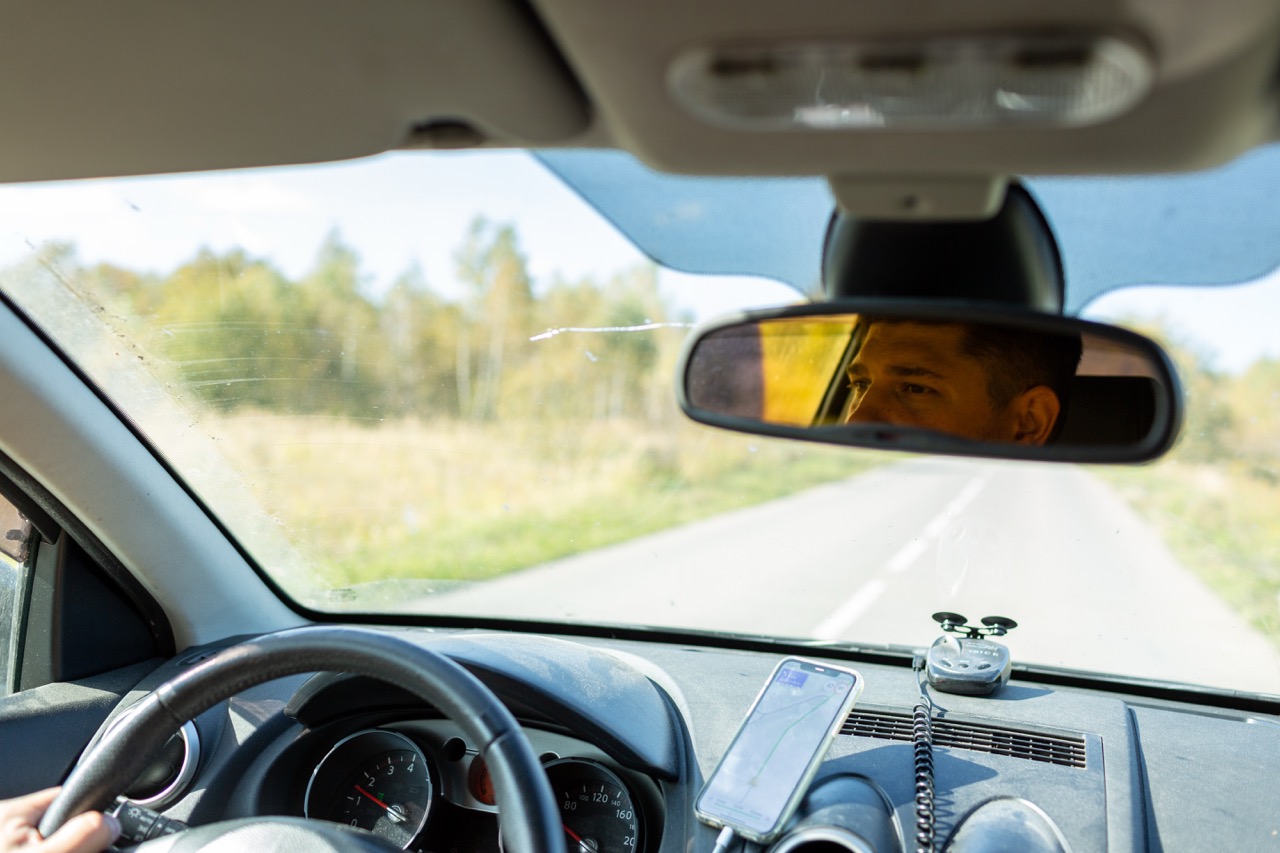
For years, the "radar detector" was the gold standard for avoiding speeding tickets. You mounted a bulky box on your windshield, and it beeped frantically whenever it sensed a police officer nearby. But technology has evolved. Today, modern drivers are switching to GPS-based alert systems like the GPS Angel V8. While both devices aim to keep you ticket-free, they work in fundamentally different ways. Understanding this difference is key to choosing the right co-pilot for your drive.
The primary difference lies in how the device knows a hazard is approaching. A traditional radar detector is a radio receiver; it scans for specific radio frequencies (X, K, and Ka bands) used by police radar guns. It is reactive—it only alerts you when a signal actively hits your car.
In contrast, a GPS alert system is proactive. It uses a high-precision satellite connection to track your vehicle's location and compares it against an onboard database of thousands of known enforcement points.
Anyone who has used a traditional radar detector knows the annoyance of "phantom" alerts. Automatic grocery store doors and other cars' blind-spot monitoring systems often use the same frequencies as police radar, causing your device to beep constantly in the city.
GPS alert systems solve this problem completely. Because they rely on map data rather than radio waves, they are immune to interference from automatic doors. The GPS Angel V8 only speaks up when you are approaching a verified hazard, keeping your cabin quiet and your focus on the road.
One of the biggest advantages of GPS systems is their legal status. Traditional radar detectors are banned in certain US states (like Virginia) and Washington D.C., and are illegal in commercial vehicles nationwide. Police can even use "radar detector detectors" (spectres) to find drivers using them.
GPS alert systems are classified differently. Because they are passive devices—meaning they don't interfere with police equipment or scan for restricted frequencies—they are 100% legal to use in passenger vehicles across all 50 states. You don't have to hide your GPS Angel V8 when a police officer pulls up next to you.
If you want to be a "radio scanner" hobbyist who tracks every signal, a radar detector might be fun. But if you simply want a stress-free, quiet, and legal way to avoid tickets, a GPS alert system is the smarter choice. By relying on data rather than radio noise, the GPS Angel V8 gives you the advanced warning you need without the headaches of the past.